Gardening Services in Anerley

Gardening Services Anerley provides practical help for keeping outdoor spaces tidy, workable and well shaped across the different kinds of gardens found in this part of south-east London. The focus is on regular care, one-off reset work and the finishing details that make planting areas, lawns and boundaries easier to manage. Our services overview gives a simple starting point for understanding the range of work available, while this homepage sets out how the main garden tasks fit together for homeowners, landlords and commercial customers.
We carry out garden maintenance, lawn mowing, hedge trimming, garden clearance, landscaping, decking services and tree lopping and removal. Some customers need routine help to stop a garden from becoming overgrown; others want a more considered change to improve structure, access or usability. A well-planned visit starts with the present condition of the space, the type of planting in place and the amount of pruning, cutting or clearance required. If you are comparing options, the garden maintenance page is a useful place to begin.
Good gardening work balances appearance with practical upkeep. Cutting too much at the wrong time can weaken shrubs or leave a lawn patchy, while leaving growth unchecked can make later work slower and more involved. We aim to carry out each job with sensible attention to the site layout, access and disposal needs, so the finished result is neat and manageable rather than simply quickly cut. When you are ready to discuss the work, you can start with plain text or move on to a formal quotation request.
Garden maintenance and regular care
Routine garden maintenance is often the best way to keep an outdoor space under control through the year. This can include clearing beds, cutting back seasonal growth, tidying paths and keeping borders from spilling into lawns or hard surfaces. The right programme depends on how quickly the garden grows, how much planting it contains and whether the priority is presentation, access or keeping everything in a manageable condition.
We also support customers who only need occasional visits rather than a fixed schedule. That may suit a garden that grows unevenly, a property between lets or a space that has already had a major tidy-up and now needs lighter follow-up work. In practical terms, the job may involve hand weeding, sweeping, reshaping edges or removing dead material so that healthy planting can continue without being crowded out.
Useful maintenance decisions often come down to timing and finish. A lawn that is cut regularly usually needs less corrective work later, and shrubs kept within bounds are easier to shape without making them look harsh. When you want to organise a quotation, it helps to know whether the main task is upkeep, a seasonal tidy or a larger return-to-order visit. Our pricing and quotes page explains the general approach to estimating work.
Lawns, edges and the finish underfoot

Lawns usually set the tone for the rest of the garden, so mowing and edging need to be handled with care rather than as an afterthought. Our lawn mowing service covers the cut itself together with the sharper details that make the result look complete, such as tidy borders and a clean transition between grass and paths. Where grass has become longer than ideal, the work may need a slower approach to avoid stripping the lawn or leaving clumps behind.
Edges can be just as important as the main cut. A precise edge helps define lawns against flower beds, paving and retaining features, while a rough outline can make the whole garden seem untidy even if the grass height is reasonable. In smaller gardens, the visual impact of edging is especially noticeable because every line is visible. In larger spaces, it helps guide movement and keeps maintenance from spreading into every corner.
There are also practical limits to consider. Damp conditions, uneven ground, buried obstacles and sensitive planting can all affect the method and finish. If the grass is mixed with moss, patchy sections or awkward slopes, a straightforward cut may not be the whole answer, and a more careful sequence of work may be needed. For jobs that combine mowing with broader seasonal upkeep, ask for a quotation and describe the overall condition in plain language.
Hedges, shrubs and controlled growth
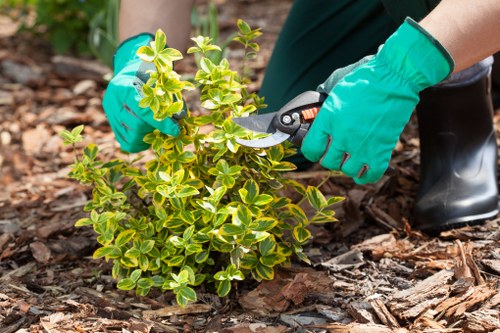
Hedge trimming is one of the most important ways to keep boundaries neat and plants healthy enough to carry on forming a usable screen. Our hedge trimming work covers shaping, reducing excess spread and keeping growth within the space available. Depending on the hedge type, the aim may be a crisp formal edge, a softer natural outline or simply keeping the plant from encroaching onto paths, drives and neighbouring areas.
Different hedges need different handling. Some respond well to frequent light cuts, while others are better treated more selectively so that the overall shape remains full and balanced. Cutting at the wrong time of year can affect flowering or leave bare sections exposed, so it is sensible to think about the type of plant as well as the height and width. Trimming can also improve light levels in nearby beds and reduce shading where smaller plants need more room.
For many gardens, hedge work is best combined with other practical tasks such as clearing clippings, re-cutting edges and checking whether any nearby shrubs need shaping as well. If the hedge is tall, wide or close to a boundary feature, the access plan matters as much as the cut itself. Clear access and a realistic finish are often what separate a tidy result from a merely reduced one, so a brief description of the hedge and its setting is always useful when requesting a price.
Garden clearance for neglected or overgrown spaces
Some gardens need more than a light tidy, especially where growth has been left for a long period or where a property has changed hands and the outdoor area needs to be made usable again. Our garden clearance service is intended for that kind of reset. It can involve removing dense vegetation, gathering loose waste, cutting back overgrowth and restoring enough order for the space to be assessed properly.
Clearance work is often different from routine maintenance because the priorities are sequence and removal rather than cosmetic detail. It may be necessary to open up access before finer work can begin, or to separate material that needs trimming from material that should be taken away entirely. In some gardens there are hidden features such as steps, low walls, old sleepers or fixed planting supports that affect how the work is approached, so the safest method is usually the one that reveals the site gradually.
When a clearance is planned well, the garden becomes easier to judge afterwards. Customers can then decide whether the next step should be ongoing upkeep, more detailed planting changes or a more structural upgrade to the space. A concise note about the size of the area, the density of the growth and any access restrictions helps shape the quotation. Clarity at the start tends to make the whole process smoother.
Decking and landscaping for more usable outdoor space
Some gardens benefit from a more structural approach, especially where the aim is to improve circulation, define seating areas or make difficult ground easier to use. Our decking services can support that kind of change by creating a timber surface that separates everyday activity from planting or softer ground. Decking is not just a visual feature; it can also help link doors, steps and garden zones into a more practical layout.
Where a wider transformation is needed, landscape gardening and landscaping give a way to rethink the garden rather than simply maintain it. This may involve reshaping levels, improving flow, introducing clearer boundaries or combining planting areas with hard landscaping features. Good planning matters because each part of the garden affects the next: a path, terrace, retaining edge or planting bed should make sense as part of the overall arrangement rather than as a disconnected addition.
Structural garden work is usually easier to plan when you know which parts of the space need to stay, which parts can be altered and what the main use of the garden should be. That could mean children’s play, relaxed seating, easier upkeep or a better route through the site. If you are considering a change of this type, send over the broad outline and ask for a quotation. You do not need to overcomplicate the first step; a clear description is enough to begin.
Tree work and larger boundary growth
Some outdoor jobs go beyond ordinary pruning and call for more careful management of larger growth. Our tree lopping and removal page covers work that may be relevant when trees are becoming too large, are affecting other planting or need to be reduced for practical reasons. The work is different from hedge trimming because trees have their own structure, weight and safety considerations, and the method has to reflect that.
Tree-related tasks can include reducing overextended growth, clearing dead or awkward branches and, where required, removing a tree altogether. The decision depends on the tree’s condition, location and relationship to buildings, fences and surrounding planting. In a confined garden, even a modest tree can cast a lot of shade or create pressure on nearby surfaces, so the space around it needs to be judged as carefully as the crown itself.
Supporting care after tree work may also be important. Once larger material has been dealt with, the remaining garden may need tidying so that light, access and visibility improve in a balanced way. That can include collecting debris, re-establishing bed edges or resuming maintenance in areas that were previously difficult to reach. If you are unsure whether the task needs pruning, reduction or removal, the safest course is to describe the issue and ask for guidance with a quotation request.
About Anerley
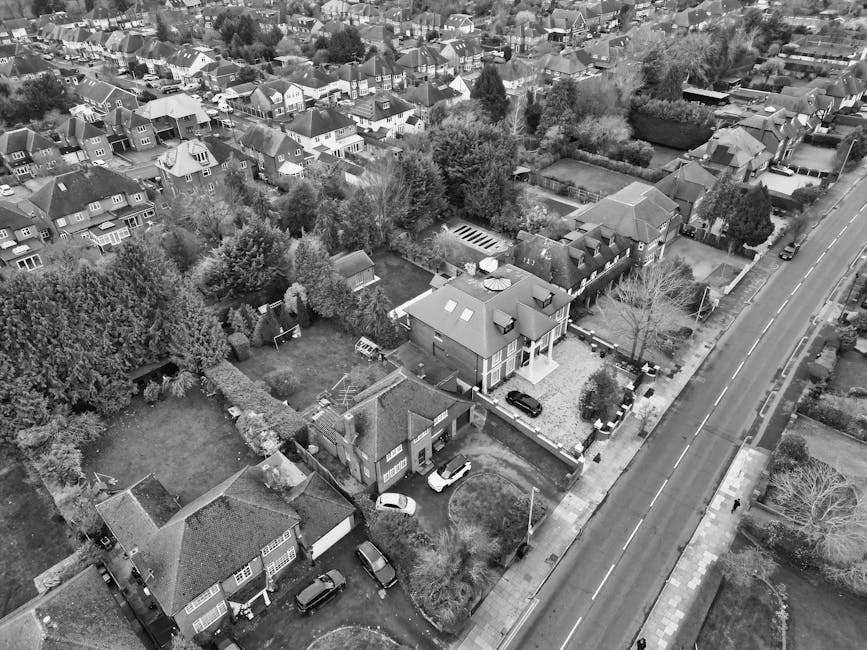
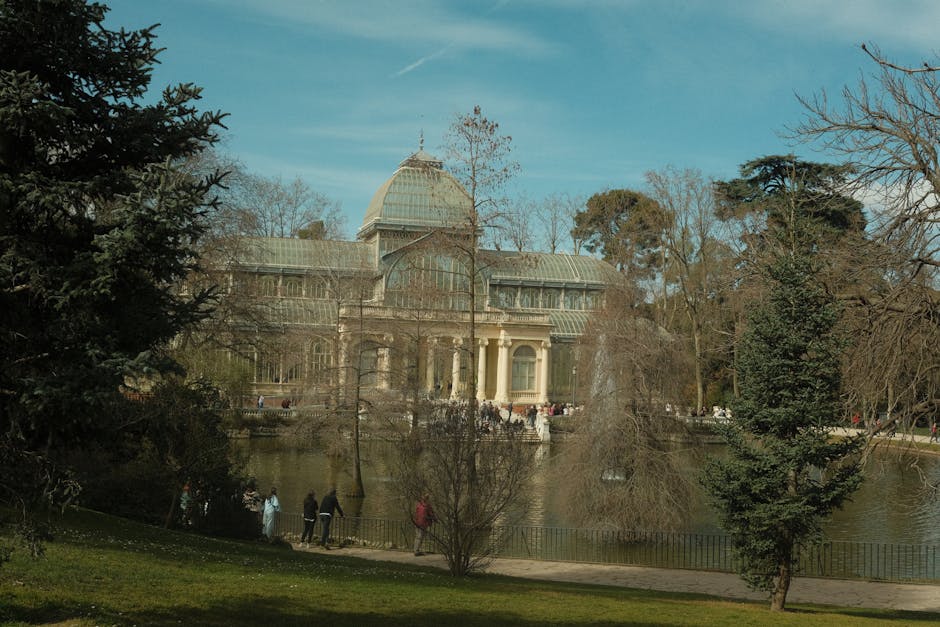
Anerley is a district in the London Borough of Bromley, in south-east London, with its own strong identity despite being closely connected to neighbouring areas such as Crystal Palace, Penge and Elmers End. The name is usually linked to a Scots expression meaning “lonely placeâ€, and the area developed during the nineteenth century as the suburb expanded around rail and tram routes. Anerley railway station opened in 1839 on the London and Croydon Railway, helping the district grow from semi-rural land into a residential neighbourhood. The Crystal Palace district lies nearby, and the history of the great glass exhibition building is still part of the wider local story, even though the palace itself no longer stands. Today Anerley is largely residential, with terraces, villas and later housing sitting alongside local shops and community facilities, giving the area a varied urban character. Nearby green space remains an important feature, including Betts Park and the broader sequence of open areas around Crystal Palace Park and South Norwood Country Park. The nearby railway lines, tram connections and main roads have long shaped how the district feels: compact, well connected and layered with different periods of suburban development. Small changes in street layout, building style and tree cover mean that the area can feel calm in one road and more animated in another. That mix of transport links, local centres and pocket greens makes Anerley a distinctive part of outer London rather than a place defined by a single landmark.
Planning the right level of work

Not every garden needs the same level of attention, and it is often useful to separate the immediate problem from the longer-term plan. Some spaces only need a straightforward cut and tidy, while others need a phased approach that begins with clearance and leads on to maintenance or landscaping. Choosing the right scope is important because it keeps the work proportionate to the site instead of overcommitting to changes that are not needed.
The most helpful brief usually covers three things: what looks untidy, what must stay in place and what the intended finish should be. That might be a cleaner lawn, a neater hedge line, a cleared rear garden or a more structured layout with improved access. If there are broken features, difficult slopes or heavily shaded sections, mention them too, because those details affect how the job is organised and how long it may take.
- Identify the main task, such as mowing, trimming, clearance or a broader landscape change.
- Note any limits, including access, close boundaries, fragile planting or hidden obstacles.
- Say whether you want a one-off visit or something more regular.
- Ask for a quotation that reflects the actual condition rather than a general guess.
What affects the quotation
Quotation work for gardening services is usually shaped by the condition of the garden, the scale of the task and the amount of follow-up disposal involved. A tidy lawn may only need a light visit, while a garden that has not been managed for a while could require multiple stages. Materials, waste removal and access to different parts of the site all matter because they influence the time and tools needed for the job.
It also helps to think about the level of finish you want. Some customers want a practical reset, others need a more refined appearance, and others want a space prepared for future planting, use or building work. Those aims can change the approach quite a lot. When the brief is well described, the quotation can reflect the job more accurately and avoid unnecessary assumptions about the site.
If the garden includes a mix of tasks, such as trimming, cutting and clearance together, it is sensible to group them into one request rather than sending separate notes for each. That makes it easier to see how the work fits together and to plan the most efficient sequence. One clear request is often better than a long list of disconnected points. For straightforward enquiries, start the conversation in plain language and then ask for a quotation.
Practical preparation and site details

Before work begins, a few practical details can make the visit easier to organise. Access to gates, side paths and rear entrances matters, as does knowing whether vehicles can park nearby or whether material needs to be carried further. If you have photographs, they can help show the condition of the space, but they are only one part of the picture; the written description still matters because it explains what you want done and what should be left alone.
A useful note usually includes the garden’s size in general terms, the main features present and any areas that are particularly sensitive or awkward. You do not need to produce a perfect plan, but a clear explanation of the outcome you want will help shape the right kind of visit. If there are pets, shared boundaries or specific timing limits, those can be mentioned as well so the job can be arranged sensibly.
For a direct next step, ask for a quotation and state whether you need maintenance, clearance, trimming, mowing or a more structural improvement. If you already know the main objective, make that the first line of your message. For a broader look at the work offered, revisit the site pages and then request a quotation when you are ready.