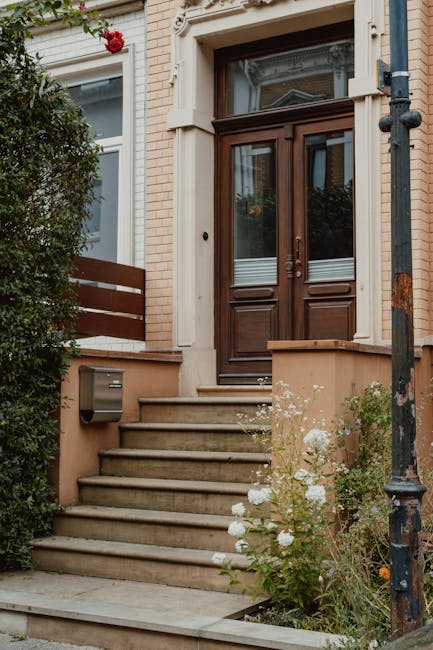
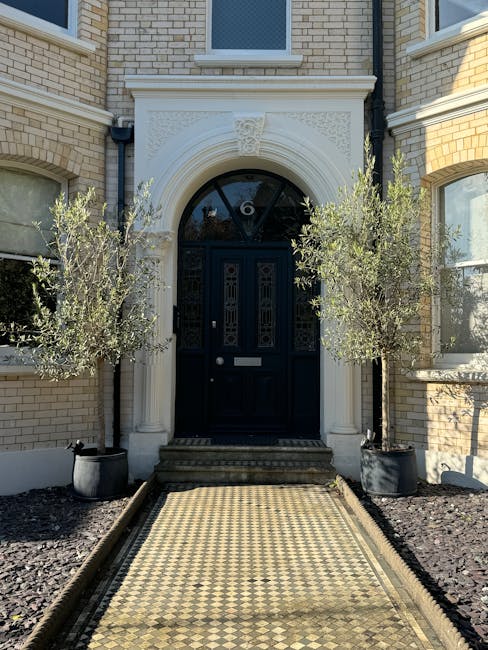
Anerley gardeners case study SE20 front garden revamp
If you are looking at a tired front garden in SE20 and wondering what can be done without turning the whole place upside down, this case study-style guide should help. An Anerley gardeners case study SE20 front garden revamp is really about the full journey: clearing the clutter, improving the layout, choosing practical planting, and making the entrance feel cared for again. Not flashy for the sake of it. Just smart, tidy, and welcoming.
Front gardens in Anerley often have to work harder than people think. They need to look good from the pavement, cope with London weather, and stay manageable when life gets busy. In this article, we will walk through what a revamp typically involves, why it matters, where the common traps are, and how to approach the project in a way that actually lasts. There is a bit of design thinking here, a bit of maintenance reality too. That balance matters.
You will also find a practical checklist, a comparison table, and a real-world example of how a front garden can be transformed step by step. If you are comparing service options, the broader garden services overview can help you understand how different tasks fit together, while the team's approach to ongoing garden maintenance is useful if you want the result to stay neat beyond the first month or two.
Contents
- Why Anerley gardeners case study SE20 front garden revamp Matters
- How Anerley gardeners case study SE20 front garden revamp Works
- Key Benefits and Practical Advantages
- Who This Is For and When It Makes Sense
- Step-by-Step Guidance
- Expert Tips for Better Results
- Common Mistakes to Avoid
- Tools, Resources and Recommendations
- Law, Compliance, Standards, or Best Practice
- Options, Methods, or Comparison Table
- Case Study or Real-World Example
- Practical Checklist
- Conclusion
- Frequently Asked Questions
Why Anerley gardeners case study SE20 front garden revamp Matters
A front garden is the first thing people see, and in SE20 that first impression matters more than many homeowners expect. A revamp can make a home feel more settled, more cared for, and more usable day to day. It can also solve the ordinary annoyances that build up quietly: overgrown shrubs blocking the path, patchy lawn, weedy borders, poor drainage, or a layout that looks fine from one angle but awkward from the street.
To be fair, lots of front gardens do not need a dramatic redesign. They need a thoughtful reset. That might mean removing one or two plants that have outgrown the space, reshaping the edges, improving access, and giving the whole area a cleaner structure. Small changes can make a big difference, especially when the frontage is narrow or sits close to the house.
There is also a practical side. A front garden that is easier to maintain tends to stay looking decent. A front garden that is difficult to manage often slips back into clutter. That is why many local homeowners look for a solution that combines design sense with routine upkeep, rather than a one-off makeover that looks good for three weeks and then starts fighting back.
How Anerley gardeners case study SE20 front garden revamp Works
A good revamp usually starts with an honest look at what the garden is already doing well, and what is working against it. Not every job needs the same treatment. Some front gardens need clearance and replanting. Others need better edging, a tidier lawn, or a more structured layout with gravel, paving, or low-maintenance planting. The work is part visual, part practical.
The process often follows a sensible sequence. First, the space is assessed for access, light, drainage, safety, and condition. Then anything that is overgrown, damaged, or simply not contributing to the overall look gets removed or reduced. After that comes the shaping stage: borders, paths, lawn lines, and focal points are adjusted so the space reads clearly from the street. Finally, planting and finishing details are added.
In a smaller SE20 front garden, clarity is everything. If the path is hidden by foliage or the planting feels random, the whole frontage can seem busier than it is. A revamp works best when each element has a purpose. A border should frame, not crowd. A hedge should define, not swallow the path. The garden should feel open enough to breathe, but not so bare that it loses character.
Many projects also involve selective services rather than a single big task. For example, a team might use garden clearance at the start, then hedge trimming to restore shape, and finish with lawn mowing to sharpen the overall presentation. It sounds simple, because it is simple when planned properly.
Key Benefits and Practical Advantages
The most obvious benefit is visual. A neat front garden changes how a house feels from the street, and people notice that before they consciously think about it. But the real value often goes deeper than looks. A well-planned revamp can improve movement, reduce maintenance time, and make the space safer and easier to use.
- Better kerb appeal: the frontage looks cleaner, more intentional, and more welcoming.
- Easier maintenance: simpler planting and clear structure usually mean less work later.
- Improved access: paths, steps, and entrances are easier to move through.
- More usable space: even a small garden can feel more open and functional.
- Longer-lasting results: good design choices reduce the need for constant correction.
- Better plant health: plants placed in the right conditions tend to cope better, which is no great surprise really.
There is another, quieter advantage: confidence. When the front garden stops looking unfinished or neglected, the whole property feels calmer. You stop noticing the same messy patch every time you open the door. That matters more than people admit. It changes how you feel at home.
Who This Is For and When It Makes Sense
This kind of revamp is a strong fit for homeowners who want a more polished entrance without committing to a full-scale landscape build. It is also useful for landlords, sellers, or anyone preparing a property for viewings. In SE20, where many homes have compact frontages and everyday foot traffic, a practical refresh can pay off quickly in everyday use, not just appearance.
It makes sense if you are dealing with any of the following:
- an overgrown front garden that has lost shape
- a patchy lawn that is difficult to rescue
- borders that feel too full, too sparse, or simply messy
- a path or entrance that gets hidden by planting
- a garden that looks fine in summer but collapses in winter
- you want a better first impression without making things high-maintenance
It may also suit you if you have been trying to keep things tidy yourself but the job keeps getting away from you. That is a very common story. Front gardens are small enough to tempt DIY fixes, but big enough to become a chore when the trimming, mowing, weeding, and reshaping all pile up together.
Step-by-Step Guidance
A sensible front garden revamp usually follows a structured process, even if the finished result feels natural.
- Assess the space properly. Look at how people enter, where the light falls, which areas feel cramped, and what is causing most of the visual clutter.
- Clear out the obvious problems. Remove dead growth, old debris, weeds, broken edging, and plants that are simply too big for the space.
- Decide what stays and what goes. Some plants can be cut back and kept. Others need to be removed so the rest of the garden can breathe.
- Rebuild the structure. Re-edge borders, define paths, and make sure the eye is led naturally towards the entrance rather than wandering into chaos.
- Choose planting with restraint. Use plants that suit the amount of light, soil condition, and maintenance level you actually want.
- Finish the detail work. Clean lines, tidy mulch, neat cutting, and consistent spacing make the difference between "done" and "done properly".
- Plan for maintenance. A revamp is only half the job if you do not decide how it will be cared for after the first tidy-up.
In practice, many good results come from mixing services. For example, structural changes might sit alongside broader landscaping work, while stubborn growth can be handled through targeted tree lopping and removal where a small tree or large branch is stealing light from the front of the house. It is not always about doing more; often it is about doing the right things in the right order.
Expert Tips for Better Results
One of the most useful things you can do is keep the design simple. Front gardens look best when they can be read quickly. That means a clear path, a defined edge, and plants that do not fight for attention. Fancy is fine, but busy is usually a mistake.
Tip 1: Prioritise proportions. If the garden is small, oversized shrubs will make it feel even smaller. If the frontage is wide, tiny isolated plants can look lost.
Tip 2: Think in layers. A low ground layer, a mid-height planting layer, and a modest focal point often work better than a random mix of heights. It gives the eye somewhere to rest.
Tip 3: Use maintenance as a design filter. Ask yourself: will I still be happy with this in six months? If the answer is "maybe not", it probably needs simplifying.
Tip 4: Keep the entrance zone clear. Sounds obvious, but people often let planting creep towards the door. The result feels cramped. A bit of breathing room around the path and threshold makes the whole front garden feel better.
Tip 5: Work with the weather and the season. In damp months, wet soil can highlight drainage issues. In summer, neglected edges and uneven growth become more visible. Catching those issues at the right time saves rework later.
And here is the slightly unglamorous truth: a tidy front garden is usually the result of several decent decisions, not one dramatic idea. That is not boring. It is just how gardens work.
Common Mistakes to Avoid
Front garden revamps can go off track quite easily, especially when people focus on the before-and-after moment and forget the maintenance reality.
- Overplanting: cramming in too many plants makes the space look full too soon.
- Ignoring access: if people have to brush past shrubs every time they leave the house, the design has failed a bit.
- Choosing plants for the label, not the site: a plant may look lovely in the pot and still be wrong for the light or soil.
- Skipping the reset stage: without proper clearance, trimming, and sorting, the new design starts on the back foot.
- Forgetting seasonal growth: a hedge or border that looks fine in spring may become a nuisance by late summer.
- Making it too decorative: a front garden should be attractive, yes, but it also needs to function every day.
Another common misstep is treating the revamp as a one-time event. Truth be told, gardens do not care about your calendar. They keep growing. Without a plan for follow-up care, even the best makeover can lose its shape far quicker than expected.
Tools, Resources and Recommendations
For homeowners planning a front garden reset, the right tools and services matter more than people think. A decent pair of shears is useful, but for larger or more layered gardens you are usually better off looking at the process as a combination of clearing, cutting, shaping, and finishing. One tool rarely solves everything.
Useful resources and service types include:
- Manual clearance tools: for weeds, small branches, and loose debris.
- Pruning and trimming equipment: helpful for restoring shape and preventing overhang.
- Edging tools: they make borders look cleaner, which is a small thing but a big visual win.
- Regular mowing support: especially if the front lawn is part of the design.
- Seasonal maintenance planning: helps you avoid the "it looked great in April" problem.
If you want something more structured, professional support for landscape gardening can help bridge the gap between a tidy-up and a better-designed space. For many households, that is the sweet spot. Not a total rebuild. Just enough planning to make the garden easier to live with.
For homeowners concerned about pricing, it is sensible to review pricing and quotes before committing. Clear expectations are a relief, honestly. Nobody enjoys vague jobs with vague costs.
Law, Compliance, Standards, or Best Practice
Front garden work in the UK is usually straightforward, but it still pays to be careful. If a job involves trees, boundaries, access routes, or shared spaces, it is wise to check what is owned by whom and whether any tree work needs additional consideration. That is especially true if the frontage is close to neighbouring property or a public pavement.
Best practice also matters for safety. Good contractors should work with care around tools, debris, slopes, slippery surfaces, and overhanging growth. They should also handle waste responsibly and keep the site tidy as the work progresses. If a project is more than a simple trim, asking about insurance and safety is sensible. The same goes for clear expectations around payment and the scope of work.
In practical terms, a trustworthy approach usually includes:
- clear agreement on what will be removed, reduced, or retained
- care around nearby walls, fences, paths, and planting
- safe handling of heavier branches or awkward waste
- tidy disposal and recycling where suitable
- transparent communication if conditions change on site
If sustainability matters to you, it is also worth looking at how green waste is dealt with. A responsible approach to recycling and sustainability can reduce waste and keep the project aligned with broader environmental best practice. Not glamorous, perhaps, but good practice rarely is.
Options, Methods, or Comparison Table
Not every front garden revamp needs the same level of intervention. Here is a simple comparison of common approaches.
| Approach | Best for | Typical outcome | Maintenance level |
|---|---|---|---|
| Light tidy-up | Gardens that are mostly healthy but messy | Sharper edges, cleaner look, improved first impression | Low |
| Clearance and reshape | Overgrown or neglected front gardens | More space, better structure, easier access | Medium |
| Full frontage refresh | Gardens that need layout changes and planting updates | Stronger design, more usable and attractive space | Medium to high |
| Low-maintenance redesign | Busy households or landlords | Cleaner planting plan, less regular effort, tidy appearance year-round | Low to medium |
The right option depends on how much time you want to spend maintaining it later. That is the bit people often underthink. A beautiful garden that becomes a burden is not really a win. Better to choose a simpler design that you can live with than a clever one you resent by July.
Case Study or Real-World Example
Here is a realistic example of how a front garden revamp in Anerley might unfold. A homeowner had a narrow SE20 frontage with a tired strip of lawn, an overgrown hedge near the path, and a border packed with mixed shrubs that had been left to do their own thing for years. From the street, the house looked dimmer than it should have. The garden was not huge, but it felt cramped.
The first stage was clearance. Dead growth was removed, the border was opened up, and the hedge was trimmed back so the path became visible again. That alone changed the feel of the frontage. You could see the entrance properly, which sounds small, but it matters. After that, the lawn was cut back and shaped, the edges were defined, and the planting was simplified so the stronger shrubs could stand out rather than compete with everything around them.
The final result was not a dramatic show garden. It was better than that, in a way. It looked intentional. The house felt more open from the pavement. The entrance was easier to use. And the owner had a garden that could actually be kept in check without spending every weekend wrestling it back into line.
That is the real value of a front garden revamp: it does not just change how the space looks on day one. It changes how the space behaves over time. If the layout is sensible, the maintenance is lighter, and the result stays respectable between visits rather than collapsing after one wet spell.
Practical Checklist
Use this checklist if you are planning your own front garden revamp in SE20.
- Identify the main problem: overgrowth, clutter, poor layout, weak planting, or all of the above
- Decide what should stay and what should be removed
- Check whether access, steps, or paths need clearer definition
- Assess light, drainage, and soil condition before choosing plants
- Keep the design simple enough to maintain
- Choose shrubs and planting heights that suit the frontage
- Make sure the entrance remains open and welcoming
- Plan for follow-up care after the initial revamp
- Ask about waste handling and recycling
- Review whether the job needs broader landscaping or just targeted garden work
Expert summary: The best front garden revamps in Anerley are rarely the most dramatic. They are the ones that combine structure, restraint, and a realistic maintenance plan. That is what keeps them looking good after the novelty wears off.
Conclusion
A successful Anerley gardeners case study SE20 front garden revamp is really a lesson in making small spaces work harder without making them feel busy. Clear the excess. Improve the shape. Choose planting that suits the site. And, crucially, think beyond the initial makeover so the result remains manageable.
If your front garden currently feels more like a chore than a feature, that does not mean it needs a total rebuild. Often it just needs the right sequence of decisions, a steady hand, and a bit of local know-how. The finished space should feel calm when you look at it from the pavement, and easy when you walk through it on a wet Tuesday morning. That is the sweet spot.
Get a free quote today and see how much you can save.
Frequently Asked Questions
What does an Anerley gardeners case study SE20 front garden revamp usually involve?
It usually involves clearing overgrowth, reshaping borders, improving the entrance, and choosing planting that is easier to maintain. The exact mix depends on the condition of the garden.
How long does a front garden revamp take?
It depends on the size of the space and how much clearing is needed. A modest frontage may be handled fairly quickly, while a more neglected garden will take longer because the reset stage is more involved.
Is a front garden revamp the same as full landscaping?
Not always. A revamp can be a lighter project focused on tidying, shaping, and refreshing the existing layout. Full landscaping usually goes further and may include structural changes or new features.
What makes a front garden low maintenance?
Simple borders, plants suited to the site, clear edges, and sensible spacing all help. If the layout is easy to read and the planting does not overgrow quickly, maintenance becomes much more manageable.
Can a small SE20 front garden still look impressive?
Absolutely. In fact, small gardens often respond very well to a tidy, restrained design. When the space is narrow, clarity and proportion matter more than quantity.
Do I need garden clearance before redesigning the front garden?
Often, yes. If the space is overgrown or cluttered, clearance creates the blank slate you need to make better decisions. It also helps reveal what is worth keeping.
What should I ask a gardener before starting?
Ask what is included, how waste will be handled, whether any trees or larger shrubs need special treatment, and what the garden will need after the work is finished. Clear expectations save a lot of back-and-forth.
How can I keep the front garden tidy after the revamp?
Regular mowing, trimming, and light seasonal maintenance make the biggest difference. It does not have to be constant work, but it does need some routine care.
Are there safety issues to consider with front garden work?
Yes. Paths, steps, tools, hidden debris, and larger branches can all create hazards. Good practice means working carefully and keeping the area tidy while the job is underway.
What if I want something attractive but not fussy?
That is a very common brief. The best answer is usually a clean structure, a limited plant palette, and materials or planting choices that are robust rather than delicate. Less fuss, more calm.
Can a front garden revamp help a property feel more welcoming?
Definitely. A neat frontage can change the whole tone of a home. It is the bit people see first, and that first impression tends to linger.
How do I decide between a refresh and a full redesign?
If the main issue is mess or overgrowth, a refresh may be enough. If the layout itself feels wrong, or the space is awkward to use, a fuller redesign could be the better option. A proper assessment helps here.