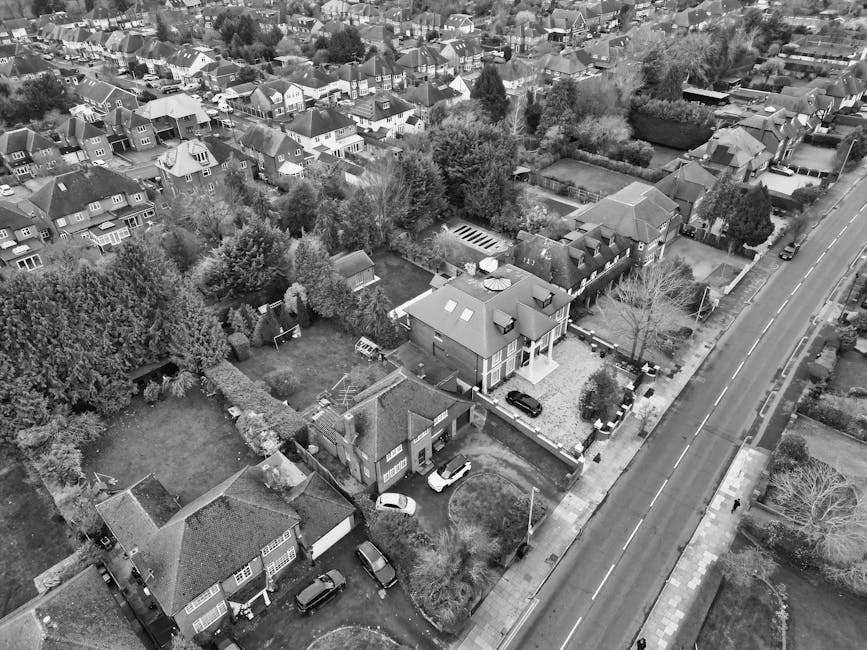
Best gardeners for houses on Anerley Road SE20
Finding the best gardeners for houses on Anerley Road SE20 is not just about keeping the grass neat. It is about choosing someone who understands narrow front gardens, shared boundaries, awkward access, shady corners, and the little quirks that come with London homes. Some gardens need a tidy monthly refresh. Others need a proper reset after months of growth, wet weather, and not enough time. Truth be told, the right gardener can make the difference between a space you avoid and a space you actually enjoy using.
If you live on or near Anerley Road, you probably want practical help, clear communication, and decent workmanship without faff. That is exactly what this guide is for. We will look at what good local gardening support should include, how to compare services, where people often go wrong, and what to ask before you book. No fluff. Just the useful stuff.
And yes, a well-kept garden really does change how a house feels. You notice it from the pavement, on the way to the door, even on a grey Tuesday morning.
- Quick take: the best gardeners combine skill, reliability, and local judgement.
- Best fit: homes that need regular maintenance, seasonal tidy-ups, or one-off restoration.
- Most useful outcome: a garden that looks cared for without becoming another stress point.
Table of Contents
- Why Best gardeners for houses on Anerley Road SE20 Matters
- How Best gardeners for houses on Anerley Road SE20 Works
- Key Benefits and Practical Advantages
- Who This Is For and When It Makes Sense
- Step-by-Step Guidance
- Expert Tips for Better Results
- Common Mistakes to Avoid
- Tools, Resources and Recommendations
- Law, Compliance, Standards, or Best Practice
- Options, Methods, or Comparison Table
- Case Study or Real-World Example
- Practical Checklist
- Conclusion
- Frequently Asked Questions
Why Best gardeners for houses on Anerley Road SE20 Matters
Anerley Road sits in a part of London where homes can range from compact front gardens to deeper back gardens, with everything from mature shrubs to newly laid turf. That sounds lovely, and often it is, but it also means gardens can get out of hand quickly. One wet spell, a few missed weekends, and suddenly the hedge is leaning, the lawn looks patchy, and the edges have disappeared into a blur.
Choosing the right gardener matters because garden care is rarely just about cutting things back. A good gardener sees the whole picture: plant health, drainage, light levels, seasonal timing, access, safety, and the overall feel of the property. That is especially important on a busy residential street where kerb appeal counts and neighbours are close enough to notice if a job is done badly. Which, let's face it, they usually do.
Good gardening support also saves time and reduces avoidable mistakes. Many homeowners try to manage everything themselves, then end up with overcut lawns, shredded hedges, or a half-finished clear-up that sits there for weeks. A proper gardener helps prevent that spiral. They keep the work tidy, timely, and realistic.
Expert summary: the best gardeners for houses on Anerley Road SE20 are the ones who can balance appearance, plant care, access issues, and dependable scheduling without turning a simple job into a drama.
How Best gardeners for houses on Anerley Road SE20 Works
In practice, hiring a gardener usually starts with a site visit, photos, or a brief call. A decent provider will ask what you want done, what the garden is like, how often you want help, and whether there are any access concerns. That might sound basic, but it matters. A small front garden with a few shrubs is a very different job from a back garden with heavy pruning, a tired lawn, and a pile of green waste to clear.
For local homes, the process often falls into one of three patterns:
- Regular maintenance: repeated visits to keep the garden tidy through the season.
- One-off garden clearance: useful when things have got wild, or after tenants move out.
- Project-based work: landscaping, turfing, hedge reduction, or layout changes.
The best gardeners for houses on Anerley Road SE20 will usually recommend a plan rather than a vague promise. That could mean a fortnightly mow during the growing season, hedge trimming at set times, or a spring and autumn reset. Good planning is often the difference between a garden that looks maintained and one that always looks like it is catching up.
There is also a practical side to the work. Waste removal, safe tool handling, careful pruning, and protection of nearby planting all matter. A reputable gardener will not just rush in and hack everything down. To be fair, you can tell pretty quickly who has experience and who is just winging it.
Key Benefits and Practical Advantages
The real value of a skilled gardener is not limited to appearance. Yes, a tidy garden looks better. But there is more going on under the surface.
A better-looking home from the street
On a residential road, neat borders, trimmed hedges, and a healthy lawn create an immediate sense of order. That matters whether you are staying long term or thinking about putting the property on the market later. First impressions do a lot of heavy lifting.
Less plant stress and fewer costly mistakes
Over-pruning, mowing too short, and leaving diseased material in place can make a garden worse over time. Good gardeners understand timing and technique. They know when to trim, when to leave, and when a plant needs light correction rather than a big cut.
More usable outdoor space
A garden that has been cleared and maintained is easier to enjoy. You can sit out, let children play, or simply look out of the kitchen window without feeling annoyed by the jungle effect. Small thing? Maybe. But a surprisingly meaningful one.
Safer, tidier surroundings
Leaf build-up, hidden trip hazards, unstable branches, and overgrown paths can all create avoidable problems. Regular upkeep reduces that risk. It also makes day-to-day life feel less cluttered, which is no bad thing in a busy London household.
More predictable budgeting
Regular care is often easier to budget for than large reactive jobs. If you are keeping on top of a garden, you are less likely to face a massive clearance later. That is one of those unglamorous benefits people appreciate after the fact.
Who This Is For and When It Makes Sense
This kind of service is useful for a wide range of homeowners and landlords. If you live on Anerley Road or nearby and your outdoor space is starting to feel difficult to manage, you are probably in the right category already.
- Busy families who do not have time for mowing, weeding, and hedge care every week.
- Older homeowners who want to keep the garden attractive without heavy physical effort.
- Landlords and letting agents who need properties to present well between tenancies.
- New homeowners who inherited an overgrown garden and want a fresh start.
- People preparing to sell and wanting better kerb appeal before photos or viewings.
It also makes sense if you have a garden that looks fine from a distance but is quietly becoming awkward. For example, a hedge that is too dense to manage safely, or a lawn that looks flat and tired because it has not been aerated, fed, or properly cut in months. These are the sorts of issues that creep up on people. One day it is a minor niggle, the next it is a Saturday swallowed by garden jobs.
If you have ever stood at the back door thinking, "I should really sort that out," then yes, this section is for you.
Step-by-Step Guidance
If you want to choose the best gardeners for houses on Anerley Road SE20, a simple process helps. It keeps you focused on quality rather than vague promises.
1. Define what actually needs doing
Start with the basics: lawn mowing, hedge trimming, weeding, pruning, clearance, or a full tidy-up. Try to separate what is urgent from what is nice to have. That makes quotes clearer and reduces confusion later.
2. Look at the garden as a whole
Notice access points, narrow paths, steep sections, waste disposal needs, and whether there are delicate plants near the work area. If you have a small garden, even moving tools in and out can affect the job. Small detail, but it changes the time and effort involved.
3. Ask how the work will be carried out
A good gardener should explain their approach plainly. Will they mulch or bag waste? Will they bring tools? How often should the lawn be cut in spring and summer? Are hedges best trimmed now or later in the season? Clear answers show experience.
4. Compare more than just price
Price matters, of course. But so do reliability, responsiveness, insurance, and whether the gardener seems to understand local properties. The cheapest option can become expensive if the work is rushed or poorly done. Happens more than people like to admit.
5. Set expectations early
Agree on visit frequency, what is included, how waste is handled, and how changes will be priced. If the job turns up with extra work, it is better to discuss it before anything is cut or removed.
6. Review after the first visit
After the first session, walk around the garden and look carefully. Are the edges neat? Is the waste cleared? Are plants left in good condition? If the answer is yes, you may have found a keeper. If not, do not wait six months hoping things will improve on their own.
Expert Tips for Better Results
The best results usually come from small, practical decisions rather than dramatic overhauls. Here are the things that make a noticeable difference.
- Book before the garden gets out of hand. Regular care is easier than rescue work.
- Be clear about your priorities. Some people care most about a neat lawn; others want privacy, low maintenance, or wildlife-friendly planting.
- Ask for seasonal thinking. A gardener should know that work changes across the year, especially in spring and autumn.
- Keep paths and access clear. It sounds obvious, but it makes the job safer and quicker.
- Use photos for tricky jobs. A few clear images can avoid misunderstandings before a visit.
One thing people often forget: a good garden does not have to look "done" in an artificial way. The best gardens still feel alive. Even when they are neat, they should not feel stripped bare. A skilled gardener understands that balance.
If you are unsure about the right level of maintenance, start with a modest plan and adjust after a few visits. That is usually smarter than overcommitting from day one. No drama, no grand promises, just steady progress.
Common Mistakes to Avoid
There are a few familiar pitfalls that can make the whole process harder than it needs to be.
Choosing only by the lowest quote
A very low quote can be tempting, especially if the garden is a mess and you just want it sorted. But if the price does not cover time, waste, or proper attention, the result may be rushed. Sometimes cheap is cheap for a reason.
Not being specific enough
"Tidy the garden" means different things to different people. One person means mow and edge. Another means prune, weed, clear, and reset the whole thing. Spell it out.
Letting the garden get too far behind
Waiting until everything is overgrown can create more work, more waste, and more cost. Regular visits are usually easier on the garden and on your wallet.
Ignoring access and logistics
If tools, waste bags, or a mower have to pass through a tight side gate or around fragile planting, say so early. Good gardeners can plan for this, but only if they know.
Forgetting about seasonal timing
Some jobs are best done at certain times of year. Hedge work, for instance, should be timed carefully depending on the plant type and the result you want. A good gardener will know this instinctively, but it helps if you are informed too.
Tools, Resources and Recommendations
You do not need to own specialist equipment yourself, but it helps to know what a gardener may use and why it matters.
| Task | Common tools or methods | What good work looks like |
|---|---|---|
| Lawn mowing | Mower, edging tool, strimmer | Even cut, clean edges, no scalping |
| Hedge trimming | Shears or hedge trimmer | Straight, balanced finish, healthy growth left intact |
| Garden clearance | Sacks, barrow, cutting tools | Debris removed, paths cleared, no hidden mess |
| Pruning | Secateurs, loppers, saw | Targeted cuts, no unnecessary damage |
| Landscaping | Measuring tools, turfing gear, soil tools | Practical layout, level surfaces, long-term usability |
If your garden needs more than a quick tidy, you may also want to think about broader services such as garden maintenance, especially if you prefer a regular schedule rather than one-off interventions. For bigger changes, landscape gardening can help reshape an outdoor space into something more usable and better suited to daily life.
For homes where the lawn is the main issue, lawn mowing is often the simplest place to start. If boundaries, screening, or overgrowth are causing the hassle, hedge trimming and garden clearance may be more relevant. A good service should match the job, not force the job to match the service.
Law, Compliance, Standards, or Best Practice
Gardeners working on domestic properties should follow sensible safety practices, especially when using powered tools, handling waste, or working near boundaries, walls, steps, or public areas. That includes careful use of equipment, safe lifting, and clear working methods. In a normal home setting, you are not usually dealing with complex compliance issues, but professional standards still matter.
Insurance is worth asking about. If a contractor is working on your property, you want reassurance that they take safety seriously and have suitable cover in place for the kind of work they do. That is not being fussy. It is just sensible. The same goes for waste handling: green waste should be removed, managed responsibly, or left only if you have agreed otherwise.
If your garden includes trees or large woody growth, the job can become more sensitive. Tree work may require more care, especially near property lines, fences, or overhead hazards. In those cases, it is wise to discuss the approach clearly before anything is cut. The best local gardeners will not blunder in and hope for the best.
Good practice also means respecting neighbours. Noise, access, and shared walls can all matter on a residential road. A considerate gardener keeps disruption to a minimum and leaves the space tidy at the end. Small courtesy, big difference.
For businesses that also care about sustainability, it can help to ask how organic matter is recycled or reused. Some teams will prioritise responsible disposal and low-waste working. If that matters to you, it is worth asking up front. You can also look at recycling and sustainability to see how waste and green material are approached more broadly.
Options, Methods, or Comparison Table
Not every home needs the same kind of gardening support. Here is a simple comparison to help you decide what suits your situation best.
| Option | Best for | Pros | Watch-outs |
|---|---|---|---|
| Regular maintenance | Busy households, landlords, tidy front and back gardens | Predictable, keeps growth under control, less stress | Needs ongoing commitment |
| One-off clearance | Overgrown gardens, move-outs, neglected spaces | Fast reset, dramatic improvement | Can be more expensive than regular upkeep |
| Seasonal tidy-up | Homes with decent structure but uneven growth | Good balance of cost and impact | May not solve long-term issues alone |
| Landscaping project | People wanting layout changes or a new look | Transforms usability and appearance | Takes more planning and budget |
In some cases, a combination works best. For example, a garden might need a clearance first, then a maintenance plan after things are back under control. That is often the sensible route. Start with the mess, then keep it that way? Well, the good version of that, anyway.
Case Study or Real-World Example
Here is a realistic example based on the sort of job local gardeners are asked to do. A homeowner with a rear garden off Anerley Road had a lawn that had become patchy, a hedge that had spread wider than expected, and borders full of weeds after a long stretch of not keeping on top of things. Nothing unusual, just life getting in the way.
The first visit focused on clearance and shaping. The hedge was reduced carefully rather than hacked back all at once. The lawn was cut, edged, and given a proper tidy. The borders were cleared enough to see what was worth keeping. It did not become a show garden overnight, of course. That would be a bit silly. But it went from feeling overwhelming to feeling manageable.
The important part came after that. A simple maintenance rhythm was set up, with regular mowing through the growing season and lighter pruning at the right time. Within a few visits, the garden looked calmer and more intentional. No miracle, just steady care. And that is usually what people actually need.
The biggest lesson from jobs like this is simple: once a garden is back in shape, it is easier to protect that progress than to let it slide again. You do not need perfection. You need consistency.
Practical Checklist
Use this checklist before hiring or booking a gardener for your home on Anerley Road SE20.
- List the tasks you want done, clearly and in order of priority.
- Check whether the job is one-off, seasonal, or ongoing.
- Take a few photos of the garden in daylight.
- Note any access issues, narrow paths, or fragile areas.
- Ask whether waste removal is included.
- Ask how often the garden should be maintained after the first visit.
- Confirm whether tools and equipment are provided.
- Ask about insurance and safe working practices.
- Get clarity on what happens if extra work is found on site.
- Review the garden after the first visit and give feedback early.
If you want to compare broader service options before deciding, the site's services overview is a helpful place to see how different jobs fit together. If you are still figuring out costs, pricing and quotes can help you understand what to ask for and how to prepare.
Conclusion
Finding the best gardeners for houses on Anerley Road SE20 is really about finding the right fit for your home, your garden, and your expectations. The strongest choice will be someone who listens properly, explains the work clearly, and treats your outdoor space with care rather than guesswork. That is what separates a decent job from a genuinely helpful one.
If your garden has become more of a burden than a pleasure, you do not need to tackle it all at once. Start with the part that bothers you most, then build from there. A good gardener can help you move from overwhelmed to organised without making a song and dance about it. That sort of calm competence is worth a lot.
Get a free quote today and see how much you can save.
And when the work is done, you may find the garden feels lighter, the house feels brighter, and even the view from the kitchen sink is a bit more cheerful. Small wins matter.
Frequently Asked Questions
What should I look for when choosing a gardener for a house on Anerley Road SE20?
Look for clear communication, relevant experience, sensible pricing, and a practical understanding of domestic garden care. If they can explain how they would handle your lawn, hedge, borders, and waste, that is a good sign. Reliability matters just as much as skill.
How often should a garden be maintained in a typical London home?
It depends on the size of the garden, the time of year, and how tidy you want it to stay. Many homes benefit from more frequent visits during spring and summer, then lighter seasonal work in autumn and winter. A good gardener will help you set a rhythm that makes sense.
Is one-off garden clearance enough, or do I need regular maintenance too?
If the garden is severely overgrown, one-off clearance is a sensible first step. But if you want to keep it under control after that, regular maintenance is usually the better long-term option. Think of clearance as the reset, and maintenance as the protection.
Do gardeners usually remove waste after the job?
Often yes, but not always by default. You should ask before booking. Waste removal can affect the quote, and some gardeners may offer removal as part of the job while others leave it for you to handle separately.
What services are most useful for homes on Anerley Road SE20?
The most common needs are lawn mowing, hedge trimming, garden clearance, and general garden maintenance. Some homes also need landscaping support, especially if the layout is awkward or the space is underused.
How can I tell if a quote is fair?
A fair quote should reflect the size of the garden, the amount of work, access conditions, and whether waste removal is included. If one quote is much lower than the others, ask what is included. It is better to be clear now than disappointed later.
Are gardeners expected to bring their own tools?
In most cases, yes. Professional gardeners usually bring their own tools and equipment unless agreed otherwise. If you have a special request or a very large job, it is worth confirming this in advance.
What if my garden is too overgrown to describe properly?
That is common. Photos are often the easiest way to start. A brief description and a few clear images can give a gardener enough information to estimate the work and suggest the right approach.
Should I choose a gardener or a landscaper?
If you need ongoing upkeep, tidying, mowing, or pruning, a gardener is usually the right choice. If you want to change the structure of the garden, alter the layout, install features, or redesign the space, landscaping is more appropriate.
Can a gardener help make a small garden feel bigger?
Yes. Careful pruning, clearer edges, better planting balance, and improved layout can all make a small garden feel more open. Sometimes the biggest improvement comes from removing clutter and letting the space breathe a bit.
What should I ask before booking local garden work?
Ask what is included, how waste is handled, whether the gardener is insured, how they work around access issues, and what happens if extra tasks are discovered on site. Those simple questions save a lot of back-and-forth.
Is it worth setting up regular maintenance after the first visit?
Usually, yes. Once a garden is back under control, regular maintenance is the easiest way to keep it there. It is often less stressful, more cost-efficient over time, and far less likely to result in a full-scale rescue mission later on.
If you are ready to get your garden back into shape, start with a clear list of priorities and a provider who knows how to work with real homes, not just perfect ones. The right help can make the whole place feel easier to live in, and honestly, that is the point.